Art That Divides the Room: The Case for Collecting Work That No One Can Agree On
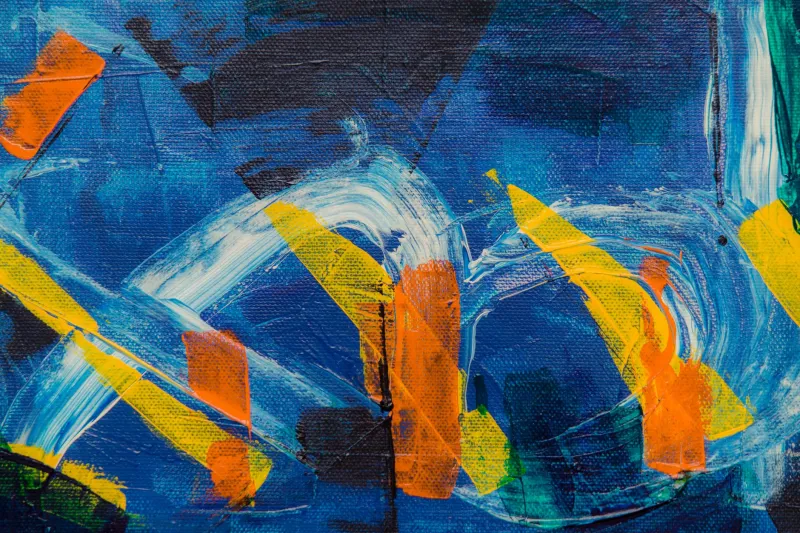
There is a particular kind of silence that falls over a dinner party when a guest notices a work on the wall and cannot quite decide what to make of it. The conversation stops. Someone ventures an opinion. Someone else disagrees, perhaps sharply. The host watches, quietly satisfied. That silence, and the charged exchange that follows, is not a social liability. For the discerning collector, it is a signal that something important has been acquired.
Polarizing art has a long and distinguished history of becoming indispensable art. The works that made audiences uncomfortable in one era frequently become the touchstones of the next. Collectors who understood this dynamic early—who were willing to stake their taste and their resources on work that made their peers uneasy—have consistently built the collections that matter most, both culturally and, in time, financially.
Why Consensus Is the Enemy of Significance
When a work earns universal approval on first encounter, it is worth asking what, precisely, it is doing. Pleasing art is not without value. But art that generates immediate agreement tends to confirm what viewers already believe about beauty, craft, and meaning. It asks nothing of the person standing before it.
The collections that endure—those that end up in museum retrospectives, that define the taste of an era in retrospect—are almost never built from work that everyone liked immediately. The Abstract Expressionists were met with bewilderment and ridicule by substantial portions of the American public. The early champions of Basquiat were considered eccentric at best. Collectors who moved on work that divided critics and confused casual viewers were not making reckless decisions. They were reading cultural momentum with greater precision than those who waited for consensus to form.
The psychological mechanism at work here is worth examining. When a work provokes genuine disagreement, it suggests that it is operating at the edge of the culture's current vocabulary. It is articulating something that has not yet been fully named. That position—at the frontier of legibility—is precisely where lasting artistic significance tends to originate.
Distinguishing Bold Acquisition from Mere Provocation
The critical challenge for any collector drawn to unconventional work is learning to distinguish between art that is genuinely challenging and art that is merely designed to shock. These are not the same thing, and conflating them is among the more costly mistakes a collector can make.
Shock value is a finite resource. Work that relies on transgression for its primary effect tends to exhaust its power quickly. Once the initial discomfort fades—and it always does—there must be something else present to sustain attention and meaning. The question to ask of any polarizing work is not simply whether it makes people uncomfortable, but whether the discomfort is doing intellectual or emotional work. Is it pointing toward something? Is there a coherent artistic intelligence behind the provocation, or is the provocation the entirety of the proposition?
Genuinely bold work tends to reward sustained looking. The initial unease gives way, over time, to a deeper understanding of what the artist is attempting. Collectors who have spent time with difficult acquisitions frequently report that the works they were least certain about at purchase have become the ones they find most inexhaustible. That quality of inexhaustibility—the sense that there is always more to discover—is one of the most reliable markers of lasting artistic value.
When evaluating a potentially divisive acquisition, it is worth spending time with the artist's broader practice and stated intentions, examining critical responses from voices you respect even when you disagree with their conclusions, and considering whether the work's difficulty is rooted in formal innovation, conceptual complexity, or emotional ambiguity. Each of these is a legitimate source of challenge. Work that is merely ugly or gratuitously offensive without evident purpose occupies a different category entirely.
The Social Function of Art That Generates Debate
There is a practical dimension to collecting polarizing work that is sometimes overlooked in discussions of taste and investment. Art that sparks genuine conversation performs a social function that aesthetically agreeable work rarely achieves. It activates the people who encounter it.
A collection that prompts visitors to declare opinions, defend positions, and occasionally argue with conviction is a collection that has entered people's lives in a meaningful way. The works that guests remember—that they mention to friends, that they find themselves thinking about days later—are almost never the ones that prompted polite admiration. They are the ones that demanded something: a response, a reconsideration, a willingness to sit with discomfort.
This dynamic has implications for a collection's cultural capital over time. Works that generate sustained conversation accumulate a kind of social history that quieter acquisitions do not. They become part of the stories that circulate around a collection, and those stories contribute materially to how the collection is perceived and remembered.
Reading the Room—and Knowing When to Ignore It
Collectors who have built genuinely significant holdings consistently describe a particular moment in the acquisition process: the point at which they recognized that a work was right for their collection despite the fact that others in their circle did not see it yet. This is not contrarianism for its own sake. It is the exercise of an independent critical intelligence that has been developed through sustained engagement with art and with one's own evolving taste.
The ability to acquire against consensus requires a secure sense of one's own aesthetic convictions. It requires having done the intellectual work of understanding why certain works matter to you, independent of external validation. Collectors who have not yet developed that foundation are more vulnerable to acquiring work that is merely transgressive rather than genuinely significant, because they lack the internal framework to distinguish between the two.
Building that framework is itself a long-term project. It involves looking at a great deal of art, including art that initially repels or confuses. It involves reading criticism and art history with genuine attention. And it involves the willingness to sit with works that do not yield their meaning immediately—to resist the impulse to resolve discomfort prematurely.
What the Dinner Party Tells You
Return, for a moment, to that charged silence at the dinner table. The guest who dismisses the work on the wall is not necessarily wrong. Nor is the one who defends it with unexpected passion. What matters, from the collector's perspective, is that both of them are engaged—that the work has made itself impossible to ignore.
The most memorable collections are not the ones that pleased everyone who encountered them. They are the ones that demanded a response, that inserted themselves into the cultural conversation with enough force to be remembered. Collectors who understand this, and who have developed the judgment to pursue genuinely challenging work rather than mere provocation, are positioned to build holdings that transcend the moment of acquisition and become part of something larger.
The room that divides is the room that endures. That is not a comfortable truth, but it is, by most measures, a reliable one.